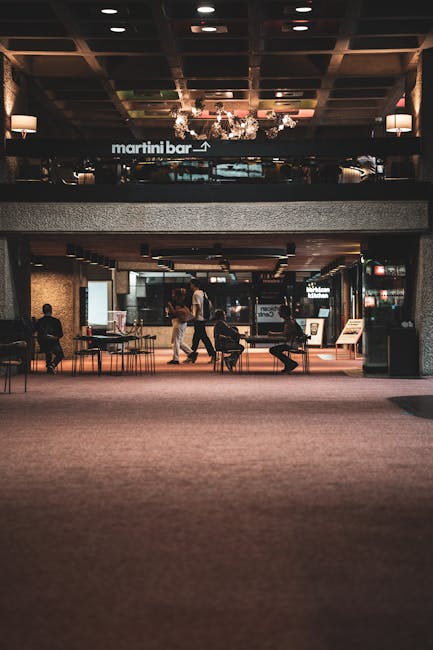
Southbank Carpet Cleaning Guide for National Theatre Flats
If you live in or manage a flat near the National Theatre, carpet care is rarely a simple afterthought. Southbank homes tend to see a mix of foot traffic, city dust, moisture from the riverside air, and the occasional spill that happens right when you are trying to keep the place looking presentable. This Southbank carpet cleaning guide for National Theatre flats is built for that reality: practical, local, and focused on what actually matters in compact London flats.
Whether you are preparing for a tenancy inspection, freshening up after a busy season, or trying to remove stubborn marks before guests arrive, the right approach can make a big difference. The aim here is not just cleaner carpet fibres, but a smarter way to protect finishes, reduce drying time, and avoid the common mistakes that can leave a flat looking worse rather than better.
For a broader overview of fibre care and cleaning options, it can also help to compare this guide with the general carpet cleaning service information and the more intensive steam carpet cleaning approach where appropriate.
Practical takeaway: in Southbank flats, the best results usually come from matching the cleaning method to the carpet type, the stain, the building access, and the drying window. Not the other way around.
Table of Contents
- Why this guide matters for Southbank flats
- How carpet cleaning works in National Theatre flats
- Key benefits and practical advantages
- Who this is for and when it makes sense
- Step-by-step guidance
- Expert tips for better results
- Common mistakes to avoid
- Tools, resources and recommendations
- Law, compliance, standards and best practice
- Options, methods and comparison
- Case study or real-world example
- Practical checklist
- Conclusion
- Frequently asked questions
Why Southbank Carpet Cleaning Guide for National Theatre Flats Matters
Southbank is a very specific kind of London setting. You are close to the river, busy pedestrian routes, theatres, transport links, restaurants, and a constant flow of people. That energy is part of the appeal, but it also means carpets can pick up more than the average amount of grime. Fine dust builds up quickly. Footfall tracks in grit that acts like sandpaper under shoes. In smaller flats, one hallway or living room carpet can affect the feel of the whole place.
National Theatre flats, or flats in the immediate Southbank area around the theatre, often have practical constraints that change how carpet cleaning should be handled. Access may be tight. Lifts can be small. Residents may need quiet working hours. Water management matters because over-wetting a carpet in an apartment setting can cause lingering dampness, odours, or complaints from neighbours below. None of this is dramatic, but it is the sort of detail that matters more than people expect.
There is also a presentation angle. A well-cleaned carpet changes how a flat feels at once. It can lift a living room, soften stale odours, and make a compact space feel more cared for. That matters whether you are living there yourself, letting the property, or preparing for a handover. And yes, a tired-looking carpet can make an otherwise lovely flat seem a bit unloved. Bit unfair, but true.
Expert view: in dense urban buildings, carpet cleaning is not just about appearance. It is about hygiene, fabric preservation, odour control, and making sure the cleaning method fits the building environment as well as the carpet itself.
How Southbank Carpet Cleaning Guide for National Theatre Flats Works
Good carpet cleaning starts with assessment, not equipment. A technician or homeowner should first identify the carpet material, the type of soiling, and any access or drying issues. Wool, synthetic blends, and delicate loop piles all behave differently. A method that works perfectly on a sturdy synthetic stair carpet may be too aggressive for a softer living room installation.
In a Southbank flat, the usual workflow looks like this:
- Pre-inspection: check the fibre type, wear pattern, stains, edges, and any damage.
- Dry soil removal: vacuum thoroughly to lift grit before any moisture is introduced.
- Spot treatment: deal with specific stains separately instead of flooding the whole area with product.
- Main clean: choose the right method, often hot water extraction or another controlled process depending on fibre and condition.
- Rinse or neutralise: remove cleaning residue so the carpet does not attract soil again too quickly.
- Drying management: use ventilation and careful moisture control so the room can be used again sooner.
The phrase "steam cleaning" is commonly used by customers, but in professional practice it usually refers to hot water extraction rather than literal steam. That distinction matters. Real steam is not usually the goal in domestic carpet care. Controlled water temperature, pressure, and extraction are what deliver the result.
For flats with mixed soft furnishings, it can make sense to combine carpet care with upholstery cleaning, sofa cleaning, or curtain cleaning when the room has absorbed odours or visible dust over time. That is especially useful in open-plan Southbank layouts where one tired item can make the whole room feel off.
Key Benefits and Practical Advantages
The value of proper carpet cleaning in National Theatre flats goes beyond a brighter pile. The benefits are practical, immediate, and, in some cases, protective for the property itself.
- Cleaner appearance: lifts dulling soil, traffic marks, and general greying in high-use rooms.
- Odour reduction: helps remove the trapped smells that develop in compact flats, especially after cooking, pets, or heavy use.
- Longer carpet life: removing abrasive grit helps fibres wear more slowly.
- Better indoor feel: a fresh carpet can make the whole flat feel lighter and more comfortable.
- Lease-end readiness: useful before inventory checks, inspections, or new occupancy.
- Allergy-conscious housekeeping: careful cleaning can reduce dust and debris that build up in soft flooring.
There is also a less obvious benefit: confidence. People underestimate how much a clean carpet affects their sense of order at home. If the floor looks cared for, everything else seems easier to keep on top of. It sounds small. It really isn't.
In properties that need a broader refresh, pairing carpets with rug cleaning, mattress cleaning, or even targeted stain removal can create a more complete result without overdoing it.
Who This Is For and When It Makes Sense
This guide is useful for several types of Southbank residents and property users. It is not just for landlords or people moving out. In practice, many regular households benefit from planned carpet care before the carpet gets visibly tired.
It is especially relevant for:
- Residents in riverside flats who notice faster dust build-up and traffic wear.
- Landlords and managing agents preparing for new tenants or inspections.
- Long-term occupiers who want to maintain the flat instead of waiting for obvious staining.
- Short-let operators who need a dependable turnaround between guests.
- Households with pets where odour and spot management become part of everyday life.
- Busy professionals who would rather book a proper clean than spend weekends on DIY trial and error.
When does it make sense to book? Often when vacuuming no longer improves the look, when a spill has left a noticeable mark, after a wet winter period, or before a property changes hands. If the carpet smells clean but still looks flat and grey, that is usually a good sign the problem is embedded soil rather than surface dust.
If you are unsure whether the carpet needs standard cleaning or something more specific, it helps to compare the issue with a specialist service such as pet stain and odour removal or a targeted stain removal treatment.
Step-by-Step Guidance
Here is a practical way to approach carpet cleaning in a Southbank flat without making life harder than it needs to be.
1. Identify the carpet and the problem
Look at the carpet first. Is it wool, synthetic, or a blend? Is the issue general dullness, one fresh spill, or older staining? A spilled coffee mug and a traffic-lane greyed hallway are not the same problem, even though they may sit on the same floor.
2. Clear the room properly
Move lightweight furniture, breakables, and loose items out of the way. In flats with limited space, this can take longer than the cleaning itself. Still worth it. Good access means better cleaning and fewer missed patches along edges and under chairs.
3. Vacuum slowly and thoroughly
Vacuuming is not a quick pre-step to rush through. It removes dry soil that would otherwise turn into sludge once moisture is added. Slow passes are better than fast ones, especially in corridor-style rooms and around skirting.
4. Pre-treat visible stains
Apply the right solution to the specific mark rather than spreading cleaner across the whole carpet. Different stains need different handling. A food stain, a drink spill, and a greasy mark all respond differently. This is where many DIY attempts go sideways. The temptation is to scrub harder. Usually, that makes things worse.
5. Choose the right cleaning method
For many domestic carpets, controlled hot water extraction is the preferred deep-clean option because it lifts soil from within the pile. In some cases, low-moisture cleaning may be more suitable, particularly where drying time or fibre sensitivity matters. The point is to match the process to the carpet, not the other way around.
6. Control moisture carefully
In apartment settings, over-wetting is one of the biggest avoidable problems. Excess moisture can wick stains back up, create musty smells, or leave a carpet feeling spongy for too long. Use measured application, careful extraction, and ventilation.
7. Dry intelligently
Open windows if the weather allows, use fans if appropriate, and avoid walking on the carpet before it is properly dry. In the evening, carpets often feel drier than they actually are, so do not trust appearance alone.
8. Check the result in daylight
Artificial light can hide unevenness. If possible, inspect the carpet near a window or in strong natural light. You will catch residues, patchy areas, or a missed spot near the room edge more easily.
Expert Tips for Better Results
A few practical habits can make a surprising difference. These are the things that save time, reduce frustration, and improve the finish.
- Test first on an inconspicuous patch. Especially with older carpets or unknown fibre blends.
- Use less product than you think. Residue is a real problem. More cleaner does not mean cleaner carpet.
- Work from the outside of a stain inward. This helps stop the mark spreading.
- Keep a clean cloth nearby. Blotting often beats scrubbing, even when the stain looks stubborn.
- Plan around drying time. In a flat, this matters as much as the clean itself.
- Bundle tasks wisely. If the room has curtains, sofas, or rugs that are holding dust and odour, treating them together can create a better overall result.
One useful habit in Southbank homes is doing quick maintenance before the carpet looks visibly dirty. Cleanings that happen early tend to be easier, faster, and more effective. Waiting until the carpet looks exhausted usually means more work and less predictable results. Not ideal, obviously.
If you are booking professional help, the most useful conversation is not "Can you clean carpets?" It is "What method is safest for this fibre, and how quickly will it dry in my flat?" That simple shift usually leads to better advice.
Common Mistakes to Avoid
Some carpet problems are caused by the original stain. Others are caused by the cleaning attempt. A few mistakes come up again and again in flats.
- Scrubbing a stain aggressively: this can distort fibres and spread the mark.
- Using too much water: common in DIY cleaning and a frequent cause of slow drying.
- Ignoring the carpet type: wool and synthetics do not behave the same way.
- Not vacuuming first: dry grit becomes harder to remove once wet.
- Leaving residue behind: sticky cleaner attracts new dirt sooner.
- Forgetting building logistics: in a Southbank flat, moving equipment, protecting hallways, and managing noise are part of the job.
A particularly awkward mistake is trying to "fix" a mark repeatedly on the same day. Many people clean, wait too briefly, decide it still looks bad, then clean again. That is how simple spills turn into worn patches. If the result is unclear, stop and reassess before going in for round two.
Tools, Resources and Recommendations
You do not need a giant toolkit, but the right basics make the job much easier. For home maintenance between professional visits, these items are useful:
- a reliable vacuum with strong suction
- clean white microfibre cloths
- a small spray bottle for diluted spot treatment
- a soft-bristle brush for gentle agitation, used sparingly
- fans or good ventilation to help drying
- protective pads or foil under furniture legs after cleaning, if needed
For deeper cleaning, professional equipment tends to offer more consistent extraction and better soil removal than portable consumer machines. That matters most in small flats where you cannot afford a damp carpet that lingers for hours. If the carpet has more than one issue, a broader property refresh may also involve sofa cleaning or curtain cleaning to remove embedded dust and stale odours from the room as a whole.
If you are choosing a provider, it is sensible to look at service clarity, insurance, and how they handle access and aftercare. A well-run business should be able to explain the process in plain English and provide straightforward booking information. Waterloo Carpet Cleaners also sets out practical details on pricing and quotes, along with its insurance and safety information, which is worth checking before any work is booked.
Law, Compliance, Standards and Best Practice
For domestic carpet cleaning, there is usually no complicated legal process to worry about, but there are still sensible standards to follow. In a building environment, safety, access, communication, and care for property are the main concerns.
Good practice typically includes:
- clear access arrangements so residents know when and how work will take place
- careful handling of electrical equipment and moisture around sockets or cables
- appropriate insurance for accidental damage or unexpected issues
- attention to ventilation to reduce drying time and odour retention
- respect for building rules where noise, lift use, or working hours may matter
For landlords and managers, keeping records of maintenance and using a transparent contractor can be helpful if questions come up later. For occupiers, the best practice is simply to avoid risky shortcuts. If a carpet is fragile, old, or badly stained, it is better to ask what method is suitable than to force a one-size-fits-all solution.
Readers who want reassurance about business practices may also find the pages on terms and conditions, privacy policy, and recycling and sustainability useful, especially if they are comparing providers with a strong service ethic.
Options, Methods and Comparison
Different carpet cleaning approaches suit different flat conditions. Here is a straightforward comparison to help with decision-making.
| Method | Best for | Pros | Watch-outs |
|---|---|---|---|
| Vacuum-only maintenance | Light upkeep between deeper cleans | Fast, low-cost, essential for daily care | Will not remove embedded soil or stains |
| Spot cleaning | Fresh spills and isolated marks | Targets the problem area, minimal disruption | Easy to overdo; may leave tide marks if done badly |
| Low-moisture cleaning | Sensitive carpets or time-limited access | Faster drying, useful in flats | May not suit heavy soil or deep staining |
| Hot water extraction | General deep cleaning and heavier soiling | Strong soil removal, widely used for domestic carpets | Drying time must be managed carefully |
For Southbank properties, the most practical choice is often based on the balance between cleaning depth and drying convenience. If the room is used daily and the carpet is in decent shape, low-moisture or focused cleaning may be enough. If there is visible dullness, traffic wear, or deeper contamination, a more thorough extraction clean is usually the better long-term option.
Case Study or Real-World Example
Consider a typical one-bedroom Southbank flat used by a busy professional couple. The living room carpet has developed a worn path from the hallway to the sofa. There is also a faint coffee mark near the window and a general flatness in the pile that makes the room look older than it is. No dramatic disaster. Just accumulated living.
They start by vacuuming slowly and moving a small rug, a side table, and the chair away from the worn area. The coffee stain is spot-treated carefully rather than scrubbed. A professional clean is then carried out with controlled moisture and strong extraction, followed by open-window drying and a fan for circulation. The next day, the carpet looks brighter, the hallway edge is less grey, and the room feels more "finished".
What changed? Not magic. Just the combination of the right method, enough drying time, and a bit of local common sense. In a flat near the National Theatre, that matters because the space has to work hard. It is home, after all, but it may also need to look presentable at short notice.
Practical Checklist
Use this checklist before you clean or book a clean:
- Identify the carpet fibre and condition
- Note all visible stains and traffic areas
- Vacuum thoroughly before any wet treatment
- Move furniture and clear access routes
- Confirm building access, lift use, and timing
- Choose the safest cleaning method for the carpet type
- Plan for ventilation and drying time
- Avoid overwetting or overusing product
- Check the result in natural light
- Review aftercare needs, especially for furniture placement
If the carpet is part of a larger reset, you may also want to consider mattress cleaning for bedrooms or rug cleaning for movable floor coverings. It is often the little extras that make a flat feel properly renewed.
Conclusion
A good carpet cleaning plan for Southbank flats around the National Theatre is really a plan for the whole living environment: the carpet, the room, the building, and the timing. Keep the method matched to the fibre, respect drying conditions, and do not treat a flat like a house with unlimited space and airflow. That is where many people go wrong.
Handled well, carpet cleaning can restore freshness, protect the pile, and make a busy London flat feel calm again. Handled poorly, it can leave dampness, residues, or a patchy finish that takes longer to fix. So the smart move is to clean with intention, not haste. Simple, but not always easy when life is busy.
Get a free quote today and see how much you can save.
Frequently Asked Questions
How often should carpets be cleaned in a Southbank flat?
It depends on foot traffic, pets, and how quickly the carpet shows dust or dullness. In a busy Southbank flat, many people benefit from a deeper clean when vacuuming no longer restores the look, rather than waiting for heavy staining.
Is steam cleaning safe for apartment carpets?
Yes, when the method is suitable for the fibre and the moisture level is controlled. The main risk in flats is not the cleaning itself, but excess water and poor drying. That is why extraction and ventilation matter so much.
What is the best carpet cleaning method for flats?
There is no single best method for every flat. Hot water extraction is often effective for deep soil, while low-moisture cleaning can suit sensitive carpets or tight drying schedules. The right choice depends on the carpet and the room conditions.
Can carpet cleaning remove old stains?
Sometimes, but not always completely. Older stains may have bonded with fibres or changed colour over time. A targeted stain treatment can help, but some marks are permanent or only partially reducible.
How long does carpet take to dry in a flat?
Drying time varies with the cleaning method, room ventilation, carpet thickness, and weather. In a well-ventilated flat, drying can be fairly manageable, but you should still plan ahead and avoid walking on the carpet too soon.
Should I clean the carpet before or after moving furniture?
Before cleaning, move as much furniture as practical. That allows better access and a more even result. After cleaning, put furniture back only when the carpet is properly dry, or use protective pads if needed.
Are wool carpets harder to clean?
They can be more sensitive than synthetics, especially when it comes to heat, moisture, and strong chemicals. Wool carpets are still very cleanable, but they need more care and the right method.
What should I do if a spill happens just before guests arrive?
Blot the spill gently, do not scrub, and avoid soaking the area. If time is short, focused spot treatment is safer than a rushed deep clean. A professional follow-up later may still be the best option.
Do landlords usually expect carpets to be professionally cleaned?
That depends on the tenancy agreement and the carpet's condition. In practice, many landlords and agents expect the property to be returned in a clean, presentable state. It is wise to check the agreement and keep records of any cleaning carried out.
Can I combine carpet cleaning with other services?
Yes, and that is often sensible in compact flats. Combining carpet care with sofa, curtain, rug, or mattress cleaning can improve the overall feel of the home and save time compared with booking separate visits.
What should I ask before booking a cleaner?
Ask what cleaning method they recommend, how long drying is likely to take, whether they are insured, and how they handle access in apartment buildings. Clear answers are usually a good sign the service is organised and trustworthy.
Where can I find more information about service standards and booking?
It helps to review practical pages such as about the company, health and safety policy, and contact options if you want a clearer picture of how the service is run.