Insurance and Safety
 Our approach to insurance and safety is built around protecting people, property, and projects at every stage of work. We understand that reliable coverage and disciplined site practices are both essential, which is why our procedures are designed to support safe delivery from start to finish. By combining public liability insurance with practical controls on site, we create a working environment that reduces avoidable risks and promotes confidence in every task.
Safety is not treated as a separate issue from service quality; it is part of the way we work. Every activity is planned with attention to hazards, responsibilities, and the most suitable method of carrying out the job. This includes clear communication, careful supervision, and the use of protective equipment where needed. Our goal is to maintain a high standard of insurance and safety management without disrupting the efficiency of the work.
 We also recognise that different projects involve different levels of risk. For that reason, our safety procedures are adaptable and based on the specific conditions of each site. Whether work is taking place in a residential setting, commercial environment, or a more complex operational area, the same core principles apply: assess the hazard, put controls in place, and monitor the situation throughout the job.
One of the most important protections we maintain is public liability insurance. This coverage is intended to offer financial protection in the event that accidental damage or injury occurs during our work. It is a vital part of a responsible insurance and safety policy, giving both the business and our clients added reassurance. By holding appropriate insurance, we help ensure that unforeseen incidents do not become larger problems.
Public liability insurance supports a professional approach because it reflects preparedness and accountability. It is not simply a document; it is part of a wider framework that includes training, supervision, and careful risk control. When combined with well-managed site practices, this insurance helps protect against the unexpected and underlines our commitment to working responsibly in every environment.
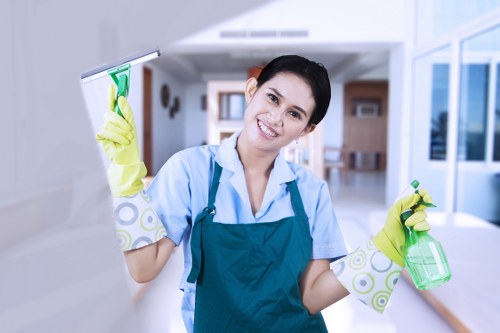 Alongside insurance, staff training plays a central role in maintaining safe operations. Every team member receives instruction relevant to their role, with emphasis on safe working methods, hazard awareness, incident reporting, and the correct use of equipment. Refresher training is used to reinforce knowledge and keep best practice front of mind. This means our people are better prepared to identify risks early and respond appropriately when conditions change.
Training is also important because it creates consistency. When staff understand the same standards and procedures, they are more likely to work efficiently and safely as a team. Topics may include manual handling, working at height, housekeeping, and emergency response. In addition, supervisors help maintain these standards by monitoring day-to-day practice and making sure that procedures are followed correctly.
We support safe working by ensuring the right PPE is available and used whenever required. Personal protective equipment may include gloves, helmets, eye protection, high-visibility clothing, safety footwear, or hearing protection, depending on the task. PPE is selected to match the risks involved and is checked regularly for suitability and condition. Although PPE is the final layer of protection rather than the first, it remains a crucial part of our overall safety system.
Risk assessment is carried out before work begins and continues throughout the job where necessary. Our risk assessment process starts with identifying potential hazards, considering who may be affected, and evaluating the likelihood and severity of harm. From there, appropriate control measures are chosen and recorded. This process helps us make informed decisions and take practical steps to reduce exposure to danger.
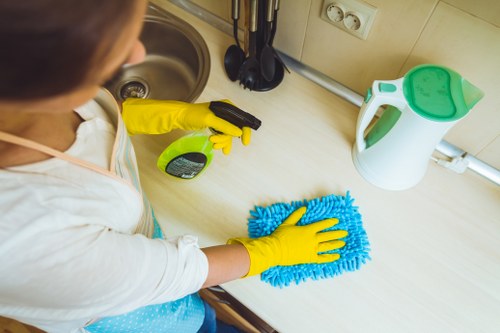 Before work is carried out, the findings of the risk assessment are reviewed so that everyone involved understands the plan. This may include establishing exclusion zones, arranging the right equipment, setting safe access routes, or adjusting the sequence of tasks. If conditions change, the assessment is updated and controls are revised. This flexible approach helps ensure that our insurance and safety standards remain effective in real-world conditions.
Monitoring is an essential part of the process. A risk assessment should not be viewed as a one-time document, but as a living part of the job. Supervisors and team members are encouraged to remain alert to new hazards and report concerns immediately. By doing so, we can act quickly and prevent small issues from developing into serious incidents.
Our wider safety culture is based on preparation, accountability, and continuous improvement. We encourage everyone involved in a project to take safety seriously, follow the agreed procedures, and respect the importance of planning ahead. This ensures that public liability insurance, staff training, PPE, and risk assessment work together as a complete system of protection.
 In practice, this integrated approach helps us deliver work with confidence and care. It supports a professional environment where hazards are understood, risks are managed, and responsibilities are clear. By combining strong insurance cover with thorough safety controls, we maintain a reliable standard that protects people and promotes high-quality outcomes.
Ultimately, our commitment to insurance and safety is about more than compliance. It reflects a practical mindset that values prevention, awareness, and responsibility. Through public liability insurance, ongoing staff training, appropriate PPE, and a structured risk assessment process, we aim to create safer conditions and support every project with a dependable foundation.