Stain Removal in Everyday Spaces: Practical Methods That Restore Surfaces, Fabrics, and Confidence
Stain removal is one of those household tasks that feels simple until a spill actually happens. Whether it is coffee on a shirt, red wine on a carpet, grease on a kitchen counter, ink on upholstery, or mud tracked across the floor, stains can quickly turn a clean space into a source of stress. The good news is that effective stain removal does not have to be complicated. With the right methods, the right timing, and a little understanding of how different materials react, most stains can be reduced or fully removed.
Modern stain removal is about more than scrubbing harder. It is about choosing the correct approach for the stain type, the fabric or surface involved, and the cleaning products that are safe to use. A careful method often works better than aggressive treatment, especially when you want to preserve color, texture, and finish. For homes, offices, vehicles, and commercial settings, stain removal plays an important role in maintaining cleanliness, hygiene, and appearance.
In this article, we will explore practical stain removal techniques, common mistakes to avoid, and the best ways to handle everything from fresh spills to stubborn marks. You will also find tips for fabric care, surface cleaning, and prevention strategies that make future stain removal easier. If you want cleaner rooms, fresher upholstery, and longer-lasting materials, these stain removal insights will help.
Why Stain Removal Matters in Daily Life
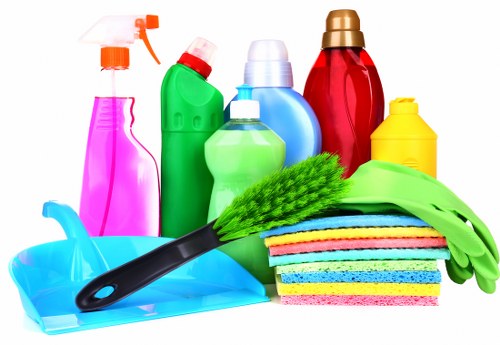
Stain removal matters because stains affect both appearance and material quality. A visible stain on a sofa, carpet, shirt, or countertop immediately makes a space feel less tidy. More importantly, some stains can become permanent if they are not treated promptly. Liquids seep deeper into fibers, oils bond with materials, and dyes can set fast, making stain removal more difficult over time.
There is also a hygiene aspect to consider. Food spills, pet accidents, makeup, sweat, and organic stains can create odors and encourage bacteria if left untreated. Effective stain removal helps keep living spaces cleaner and safer. It also supports better indoor presentation in rentals, offices, hospitality settings, and homes where first impressions matter.
Well-timed stain removal can extend the life of clothing, furniture, and flooring. Instead of replacing items because of a stubborn spot, you can often restore them with proper care. That is why stain removal is a valuable skill for anyone who wants to protect their belongings and maintain a polished environment.
How Stains Form and Why They Stick
To succeed with stain removal, it helps to understand how stains work. Some stains sit on the surface, while others sink into fibers or pores. Water-based stains, such as juice or coffee, usually respond differently than oil-based stains like butter, makeup, or cooking grease. Protein-based stains, including blood or dairy, need special treatment to avoid setting further.
Temperature, time, and material type all influence stain removal. Heat can sometimes lock a stain in place, especially on fabric. Rubbing too hard can spread the stain or damage the surface. That is why a calm, measured approach is often the best path to successful stain removal.
In many cases, the sooner you act, the easier stain removal becomes. Blotting fresh spills, using the correct cleaning solution, and avoiding unnecessary friction are simple habits that can make a major difference.
General Stain Removal Principles That Work
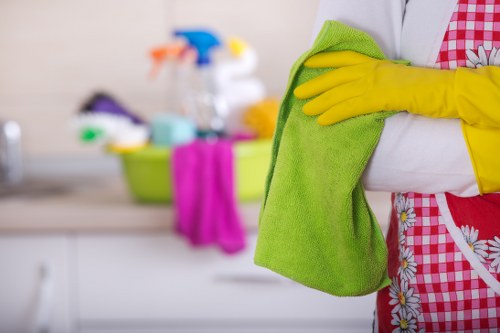
Before tackling a specific stain, it is useful to follow a few general stain removal principles. These basics can help prevent damage and improve results on most surfaces.
- Act quickly: Fresh stains are easier to remove than old ones.
- Blot, do not rub: Rubbing can spread the stain and push it deeper.
- Test first: Always test cleaning products on an inconspicuous area.
- Use the right temperature: Cool water often works best at the start.
- Work from the outside inward: This helps keep the stain from spreading.
These principles apply to clothing, carpets, upholstery, and many hard surfaces. A consistent stain removal routine can save time and reduce the risk of permanent damage. It is also a smart way to avoid using harsh products when a gentler option would do the job just as well.
Stain removal becomes easier when you match the method to the material. For instance, delicate fabrics require more care than tile or stainless steel. Using a one-size-fits-all method is one of the most common reasons stain removal fails.
The Importance of Reading Care Labels and Surface Instructions
Fabric care labels and surface cleaning instructions often contain essential stain removal information. They may indicate whether an item can be machine washed, dry cleaned, spot treated, or exposed to heat. Ignoring those instructions can lead to discoloration, shrinkage, or fabric weakening.
For hard surfaces, manufacturer recommendations can also matter. Natural stone, engineered wood, sealed concrete, and specialty countertops may react poorly to acidic or abrasive products. Following the proper stain removal method helps maintain both safety and finish quality.
Always check before cleaning. A few seconds of review can prevent a costly mistake and improve the success of your stain removal effort.
Common Stain Types and How to Approach Them
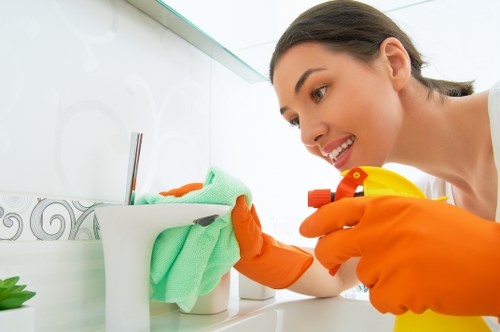
Different stains require different stain removal strategies. Knowing the source of the stain helps you choose the right cleaner and technique. Below are some of the most common household and workplace stains.
Food and Beverage Stains
Coffee, tea, juice, sauce, wine, and soda are among the most frequent stain removal challenges. Many food and beverage stains contain pigments that can cling to fabric and porous surfaces. Start by blotting excess liquid, then use cool water if the material allows it. For fabric, a mild detergent solution often helps lift the stain.
For carpets and upholstery, stain removal should be gradual. Apply a small amount of cleaner, blot gently, and repeat as needed. Avoid soaking the area, since too much moisture can spread the stain or cause lingering odors.
Tip for dark beverages
Use gentle repetition rather than heavy scrubbing. Multiple light treatments often work better for stain removal than one aggressive attempt.
Oil and Grease Stains
Grease stains from cooking oil, salad dressing, makeup, lotion, and machine oil can be especially stubborn. Because oil repels water, basic rinsing is often not enough. For stain removal, an absorbent material or grease-cutting detergent is usually needed.
On clothing, sprinkle or apply an absorbent powder if appropriate, then treat with liquid detergent before washing. On countertops and tiles, a degreasing cleaner may be more effective. For upholstery, always test the product first because some materials are sensitive to solvents.
Ink, Marker, and Dye Stains
Ink and dye stains are notorious because they can move quickly into fibers. Stain removal for these marks often depends on the material and the type of ink. Ballpoint ink, permanent marker, and dye transfer from jeans may each need a different treatment.
Alcohol-based cleaners can sometimes help dissolve ink, but they should be used carefully. Blotting is critical, since rubbing can spread the pigment. For delicate or valuable items, professional stain removal may be the safest choice.
Quick reminder
Never apply strong cleaners without testing first. Stain removal should fix the problem, not create a larger one.
Stain Removal for Clothing and Fabrics
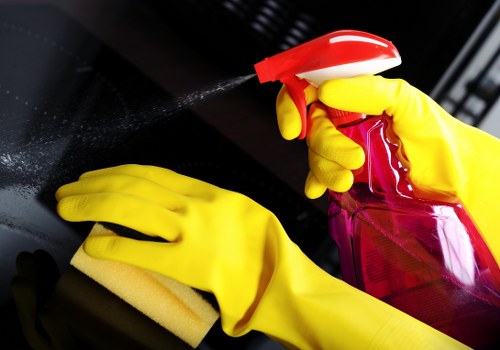
Clothing is one of the most common places where stain removal is needed. Shirts, pants, uniforms, linens, and towels all face daily exposure to food, sweat, cosmetics, and spills. Because fabric comes in many forms, stain removal must be adjusted based on fiber content and weave.
For washable fabrics, start by identifying the stain type. Pre-treat the area if necessary, then wash according to the care label. For many stains, cool or lukewarm water is safer at first than hot water. Heat can set protein stains and make some pigment stains harder to lift.
When dealing with delicate fabrics, such as silk or wool, stain removal should be especially cautious. These materials can be damaged by harsh detergents, twisting, or excessive moisture. A gentle detergent or a specialist fabric cleaner may be the best choice.
Useful Stain Removal Steps for Clothing
- Blot the stain immediately with a clean cloth or paper towel.
- Check the label for washing instructions.
- Apply a suitable stain treatment to the affected area.
- Let the product sit for the recommended amount of time.
- Wash the item and inspect it before drying.
Do not dry stained clothing until you are sure the mark is gone. Drying can set the stain, making later stain removal much more difficult.
Stain Removal for Upholstery and Soft Furnishings
Upholstery stain removal requires patience because cushions, sofas, and chairs can absorb liquid deeply. The outer fabric may look clean while the inner padding still holds residue. For this reason, use only a small amount of liquid and blot carefully.
Vacuuming first can remove loose debris before treatment. Then use a cleaning solution suitable for the upholstery type. For fabric furniture, water-based cleaners are often helpful, but leather and suede require specialized stain removal care. If odor is present, a targeted deodorizing treatment may also be useful.
Always dry treated upholstery thoroughly after stain removal to prevent mildew, water rings, or lingering moisture.
Stain Removal on Carpets, Floors, and Hard Surfaces
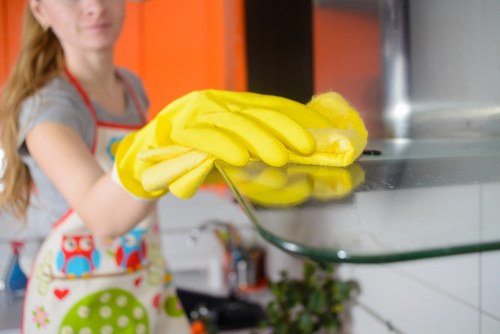
Stain removal is just as important on floors and hard surfaces as it is on clothing. Carpets can trap dirt, drinks, pet messes, and mud, while tile, laminate, vinyl, and wood floors may show spills, scuffs, and residue. Each surface has a different reaction to cleaning products and moisture.
Carpet stain removal often begins with blotting and then using a gentle cleaning solution. Too much liquid can spread the stain into the backing or subfloor, so controlled application is best. For mud, let the material dry before vacuuming or brushing away debris, then treat the remaining stain.
Hard floor stain removal depends on the flooring type. Tile and grout may need a stronger cleaner, while wood floors require a safer, less watery method. Laminate and vinyl can usually be cleaned with mild solutions, but harsh abrasives should be avoided. For stubborn marks, a microfiber cloth and a mild cleaning agent are often enough.
Best Practices for Surface Safety
- Use non-abrasive tools on delicate finishes.
- Keep excess moisture off wood and laminate.
- Rinse residues when needed to avoid sticky buildup.
- Dry the area after stain removal to prevent water damage.
Good stain removal on floors and hard surfaces is about balance. You want enough cleaning power to lift the stain, but not so much that the surface becomes dull, scratched, or discolored. For high-value flooring or stone, professional stain removal may be worth considering.
Natural and Household Options for Stain Removal
Many people prefer using basic household ingredients for stain removal when appropriate. Baking soda, white vinegar, mild dish soap, and hydrogen peroxide are commonly used, though not every ingredient is suitable for every surface. The right choice depends on the stain and the material.
For example, baking soda can help absorb odors and gently lift some stains. Dish soap is effective on grease. Vinegar may help with mineral deposits and some light stains, but it should not be used on all stone surfaces. Smart stain removal means knowing when a simple home remedy is enough and when a specialized product is better.
Natural stain removal methods can be useful, affordable, and effective when applied correctly.
Preventing Stains Before They Start
The easiest stain removal is the stain you never have to treat. Prevention reduces cleanup time and protects your belongings from unnecessary wear. Simple habits can make a major difference in homes, offices, and shared spaces.
Consider using coasters, placemats, washable covers, and protective sprays where appropriate. Prompt cleanup after meals, craft projects, and outdoor activity also helps reduce staining. In busy households, a small stain removal kit can make it easier to respond immediately when accidents happen.
Preventive maintenance is especially valuable for children’s clothing, entryway rugs, kitchen surfaces, and furniture in high-traffic areas. The more often a surface is exposed to spills, the more helpful a proactive stain removal mindset becomes. Prevention saves time, money, and frustration.
Smart Prevention Habits
- Clean spills as soon as they happen.
- Use protective covers on upholstery and mattresses.
- Choose stain-resistant materials when possible.
- Store cleaning supplies where they are easy to reach.
- Teach household members simple stain removal steps.
When Professional Stain Removal Is the Better Choice
Sometimes do-it-yourself methods are not enough. Professional stain removal may be the better option for expensive fabrics, antique furniture, severe discoloration, deep carpet stains, or marks that have already been treated incorrectly. Professionals have access to specialized equipment, stronger but controlled solutions, and experience identifying the safest method for each material.
Professional stain removal can also be helpful when odor, mold risk, or hidden residue is involved. A surface may look clean on top while still holding contamination below. In those cases, a deeper treatment can restore the item more effectively than repeated home attempts.
If a stain keeps returning, that is often a sign that residue remains beneath the surface. A professional approach can solve the root problem instead of only masking it. For items with sentimental or financial value, this can be the smartest choice.
Signs you may need expert help
- The stain is large, old, or deeply embedded.
- The item is delicate, expensive, or difficult to replace.
- Previous stain removal attempts have failed.
- The material is sensitive to water or chemicals.
- There is odor, mold, or hidden discoloration.
Stain Removal Mistakes to Avoid
Even good intentions can lead to poor results if stain removal is handled the wrong way. One of the biggest mistakes is waiting too long. Another is using the wrong cleaner on the wrong surface. Some products bleach color, weaken fibers, or leave residue that attracts more dirt later.
Avoid using too much pressure, especially on fabrics and carpets. Aggressive scrubbing can fray fibers and spread the stain outward. It is also important not to mix cleaning chemicals unless the product instructions specifically allow it. Safety should always come first in stain removal.
Patience is part of successful stain removal. A slow, tested, step-by-step method usually works better than rushing through the process. If the stain does not improve after the first attempt, pause and reassess rather than escalating immediately.
Final Thoughts on Effective Stain Removal
Stain removal is a practical skill that can improve the look, hygiene, and longevity of many items in your home or workplace. From fresh spills to old marks, the key is to match the treatment to the stain and surface. Acting quickly, testing products, and using gentle methods often leads to the best outcome.
Whether you are dealing with fabric, upholstery, carpet, or hard flooring, a consistent stain removal routine can make everyday cleaning less stressful. Prevention helps too, but when accidents happen, having the right approach can save time and money. With the right methods, many stains are manageable—and many items that seem ruined can be restored.
If you are ready to improve the appearance and condition of your space, start using smart stain removal techniques today. Book your service now or Contact us today to take the next step toward cleaner, fresher surfaces and fabrics.